 Our use of cookies
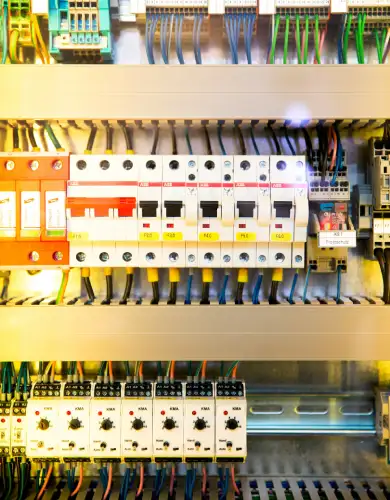 Single-phase vs three-phase power
 There are two types of mains power supply for UK businesses: single-phase and three-phase. Single-phase is the standard 230V supply provided by the wall plugs in homes, shops, and cafés. Three-phase is a more powerful 400V supply available for larger commercial and industrial sites with high energy demands. This guide explores the differences between single-phase…
read more Flexible energy grid: How it works and what it means for businesses
 Britain’s energy system is being transformed by the rapid growth of renewables, with wind power displacing fossil fuels as the dominant energy source. Yet this transformation brings a structural challenge: wind farm output is intermittent and cannot be controlled to match demand. Addressing this mismatch requires an energy grid with greater flexibility, capable of balancing…
read more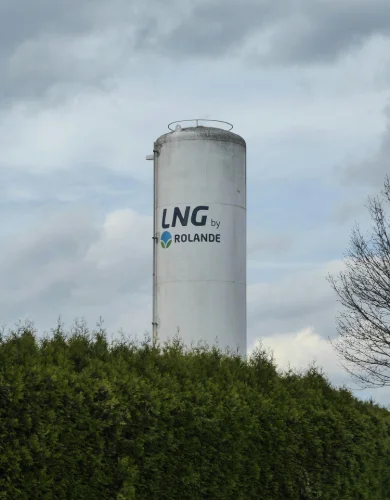 How LNG imports and terminals support UK gas supply
 In 2024, 11% of the UK’s gas demand was met by imports of super-cooled natural gas, shipped thousands of miles across the Atlantic from the US. As North Sea gas production continues to decline, the UK has become increasingly dependent on liquefied natural gas (LNG) imports from the global market, despite their higher costs and…
read more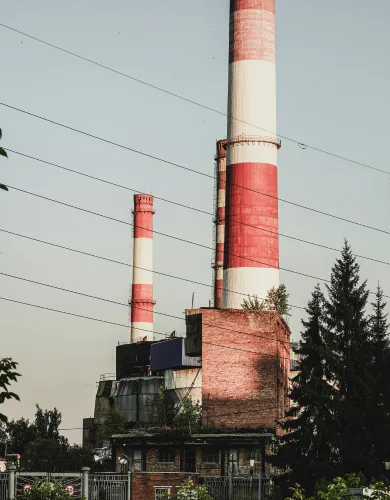 Gas power stations in the UK
 Despite significant progress over the last decade to decarbonise the national grid, the UK’s energy system is still heavily reliant on gas power stations. This guide uses the Government’s July 2025 natural gas statistics to analyse the current role of gas power stations in the UK. Here’s what we cover: How many gas power stations…
read more DUoS (Distribution Use of System) charges for businesses
 Distribution Use of System (DUoS) charges make up about 15% of all electricity bills paid by businesses. They are network charges that pay for the operation, maintenance, and expansion of local electricity distribution networks. This guide explains the DUoS charges businesses pay and how they can be reduced. Here’s what we cover: What are DUoS…
read more Independent gas transporters: A guide to how IGTs operate in Britain
 The British gas market was deregulated in the 1990s, opening the gas grid to new network operators. This reform enabled private companies to manage different parts of the national gas infrastructure under Ofgem’s oversight. Among these operators are independent gas transporters (IGTs), which were established to expand the gas network by connecting new developments to…
read more